Trade deficit or investment surplus?
Are trade deficits bad? So says Donald Trump. Well I have a trade deficit with Kroger, Publix, Lowes, Amazon and Walmart. I have a trade balance with the University of Tennessee where I teach one class this semester. I trade them my services for payment for the class. However, I do not have a trade surplus with any other entity since I have retired from the boards of not-for-profits. There I supplied by service on their boards for no monetary compensation. As a consequence, for most of my retirement years I have been in a trade deficit. I have generated little if any income and live almost solely on my retirement accounts. My trade deficits with Amazon, Kroger, Publix, Lowes and Walmart have not made me worse off. As a matter of fact, they have made me better off. I am not hungry. I have been able to do home improvement chores and where else can I buy salsa, yogurt, light bulbs, rv antifreeze and jigsaw puzzles under one roof but Walmart?
So if my trade deficits have not made me worse off and to the contrary have made me better off, then why does Trump insist that trade deficits make the country worse off? The man is confused as evidenced by his wanting to increase foreign investment in the US while eliminating the deficit. Didn’t he crow that Taiwan Superconductor was investing $100 billion in the US? Where did they get the $100 billion? Trump loves to announce more foreign investment in the US and signed a National Security Presidential Memorandum (NSPM) aimed at promoting foreign investment. SoftBank CEO Masayoshi Son announced a $100 billion investment over the next four years with a promise to create 100,000 jobs focused on artificial intelligence and related infrastructure. Where did he get the money? The United Arab Emirates committed a 10-year, $1.4 trillion agreement with the U.S. that will sustain existing investments in AI infrastructure, semiconductors, energy, and American manufacturing. Where did it get the money? Trump announced a $500 billion private investment in AI infrastructure led by OpenAI, Oracle and SoftBank. Nvidia said it would invest hundreds of billions of dollars over the next four years in U.S.-based manufacturing operations. Total foreign pledges total over $1 trillion dollars. How did they get the $1 trillion?
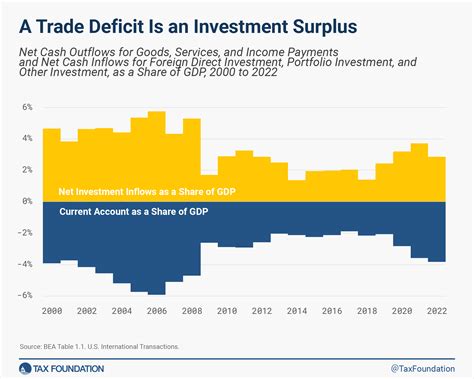
Trump is ecstatic and preening about proclaiming the success of his bringing business back to America. But his goals of attacking trade deficits as bad and encouraging foreign investments is contradictory. Pray tell where did the foreigners get the money from to invest in the United States? The answer: trade. When we buy foreign goods and services we pay for them with dollars. Some entities will accept dollars while with others we have to buy their currency by exchanging dollars. The foreigners are now in possession of dollars. What can they do with them? They can buy American. They can purchase US goods and services, US financial instruments, invest in US businesses, buy real estate or some other US product. But the point is, they must repatriate those dollars. So much of Trump’s touted $1 trillion in foreign investment in the US comes from the purchases of foreign goods by US customers. Some economists predict that the attack on trade deficits by Trump will lead to less foreign investment in US financial markets, causing stock and bond markets to fall in value. There would also be decreases in foreign investments in other sectors of the US economy. All this occurring while Trump is crowing about increased foreign investments caused by his tariff threats. Am I the only one who sees a contradiction here?
Maybe we should tell Trump that a trade deficit was really an investment surplus.
 haroldblackphd.com