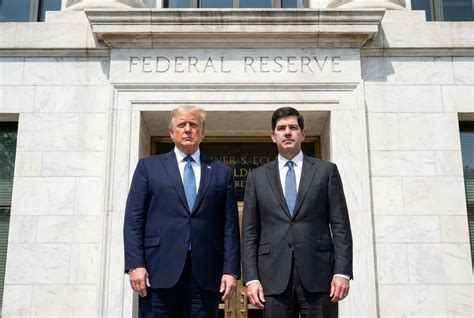
The new Fed chairman and Trump sues the IRS
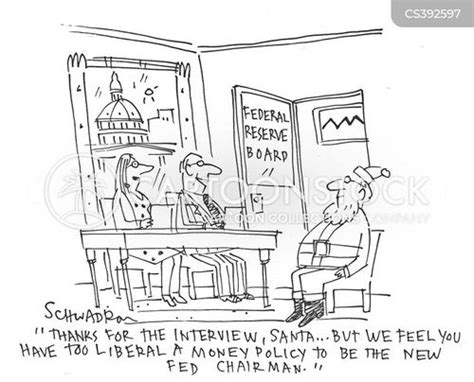
The president says that he will nominate former Fed governor Kevin Warsh to be the next Fed chairman. First, however, he will have to nominate Warsh to be a governor to the fourteen year term just coming open. I wonder about the logistics of this. Warsh will face senate hearings on the governor position but I presume he can’t face hearings on the chairmanship until Powell’s term as chairman expires in May. That actually allows for some mischief in that if Powell also resigns as a governor, then Trump could then nominate someone else to fill both vacancies and nominate someone else as chairman. That possibility exists if Marsh has to have two hearings, one for the governor and one for the chairman.
Although Warsh was the early betting favorite, I was skeptical of the president’s appointing him. Warsh has an independent streak and is only in sync with the president in thinking that interest rates can be a bit lower than they are presently. However, Warsh left the Fed supposedly in disagreement with Bernanke who started using the Fed as a tool of fiscal policy instead of concentrating on monetary policy. It was Bernanke who conducted quantitative easing transforming the purchasing of assets from an emergency tool to one of everyday policy. The Fed’s balance sheet was $800 billion when Warsh first got there and ballooned up to over $8 trillion. It has been run down to $6.58 trillion which has been halted due to its impact on bank reserves. If Warsh is consistent he will favor decreasing it further and likely will face resistance from the other governors and some of the reserve bank presidents.
The president had tweeted “Anybody that disagrees with me will never be the Fed Chairman!” So look for Warsh to vote for lowering the Fed funds rate while he serves only as a governor prior to Powell’s exit as chair. The question is what will he do about the Fed’s balance sheet after he becomes chairman? Warsh has been saying for the last 15 years that the Fed has lost its way and gone astray. He has accused the Fed of institutional drift saying “In my view, forays far afield—for all seasons and all reasons—have led to systemic errors in macroeconomic policy. The Fed has acted more as a general-purpose agency of government than a narrow central bank.” Warsh is known as an inflation hawk which may conflict with his endorsing of lower interest rates to please the president. He has said the Fed has lost sight of its main goal which is price stability (on that I completely agree). The Fed has gone off the rails into fiscal policy with its bond buying that has underwritten the excessive federal spending and asset purchases (see the Inflation Reduction Act) that contributed to inflation and the misallocation of capital. He is also critical of the Fed paying lip service to climate change and DEI with workshops at various Federal Reserve banks rather than concentrating on monetary policy. Warsh contends that these have led the Fed to compromise its own independence.
I like this pick. This reversion to the old Fed will cause a conflict with the president. He probably would expect the Fed to continue to be an agent of fiscal policy (see the One Big Beautiful Bill). So he must have worked out something with Warsh or else he will soon be blasting him like he has Powell.
Yes the Fed has a history of making mistakes but I would contend that the major mistakes are all a product of the Fed necessarily being influenced by the politics of Washington. It is difficult to maintain independence when being hammered all day by the president, the congress, the lobbyists, the media and the public. The Fed is being assaulted all day by the slings and arrows of the toxic DC environment. I have long suggested moving the Fed to Kansas City if you want more Fed independence. In Washington, when a Fed governor walks his dog, his next door neighbor says “what’s happening to rates?” When the president of the Atlanta Fed walks his dog, his neighbor says “How bout them dawgs?”
Trump sues the IRS?
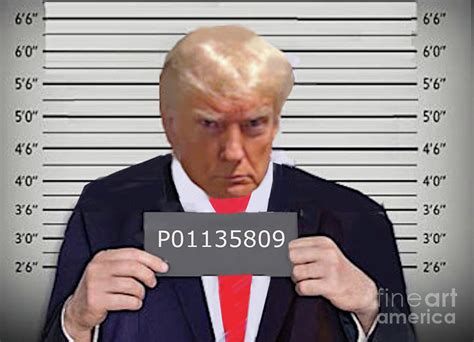
Finally, did you see where the president has sued his own Internal Revenue Service and Treasury Department? It is true. Trump along with his two eldest sons have sued the IRS for $10 million alleging that the agency didn’t do enough to stop his tax returns from being leaked to the press in 2019. The IRS employee who leaked the returns was convicted and sentenced to five years in prison. Trump’s suit claims that the leak was done to “improperly influence the results of the 2020 presidential election.” OK. Since the president is the boss of all the officials at the IRS and that Treasury secretary Bessent is acting IRS commissioner there is an obvious conflict of interest for every party. This is just bizarre. Trump never ceases to amaze but then again he loves to sue being the plaintiff in over 1,600 cases.


 haroldblackphd.com